
Prototype validation
Use early parts to examine geometry, assembly clearance, material direction, and whether CNC machining, 3D printing, or vacuum casting can answer the first design questions quickly.
Component Fabrication Planning
For engineering teams developing custom medical devices, Immicron connects CNC machining, injection molding, 3D printing, sheet metal work, vacuum casting, and finishing into practical medical equipment solutions for precision parts and assemblies.

Project Boundary
A medical component project usually changes as it moves from fit checks to validation builds and production planning. The page works best when each stage asks for the right manufacturing decision instead of treating every part as the same quote request.
Use early parts to examine geometry, assembly clearance, material direction, and whether CNC machining, 3D printing, or vacuum casting can answer the first design questions quickly.
Move from single-piece proof toward repeatable dimensions, finish consistency, inspection planning, and component behavior inside the surrounding device assembly.
Confirm the process route, volume expectation, tooling or molding needs, finishing steps, and quality controls before the part becomes a recurring manufacturing item.
Process Fit
The medical device page brings several manufacturing processes together. A clear process map helps buyers send useful drawings, finish requirements, volumes, and assembly context before the quotation stage.
| Manufacturing route | Best-fit component question | Details to prepare | Quality focus |
|---|---|---|---|
| CNC machining | Tight geometry, metal or plastic parts, functional prototypes, and low-volume precision components. | 3D model, 2D drawing, tolerance notes, material preference, critical surfaces, and expected quantity. | Dimensional accuracy, repeatability, edge treatment, surface quality, and fit inside the assembly. |
| Injection molding | Plastic components where repeatability, part volume, tooling decisions, and molded detail matter. | Resin target, part geometry, tool expectations, cosmetic surfaces, volume plan, and functional requirements. | Tooling alignment, molded consistency, material suitability, part finish, and stable production output. |
| 3D printing and vacuum casting | Prototype iterations, design studies, presentation samples, or short-run validation before final tooling. | Prototype purpose, model file, finish preference, test environment, and whether the part must mimic production use. | Speed, geometry review, surface expectation, functional testing limits, and iteration feedback. |
| Sheet metal and finishing | Brackets, enclosures, housings, panels, metal supports, and parts that need protective or cosmetic finishing. | Thickness, bend details, hole pattern, weld expectations, finish type, and assembly interface. | Form accuracy, coating or passivation needs, corrosion resistance, and consistency across repeat orders. |
Scope Control
In custom manufacturing, the phrase medical equipment support should point to the manufacturable elements that go into a device project. Clear scope language protects buyers from mixing finished-equipment procurement with component-level fabrication.
Internal Service Paths
These service pages help buyers narrow the manufacturing route before sending drawings or project details.
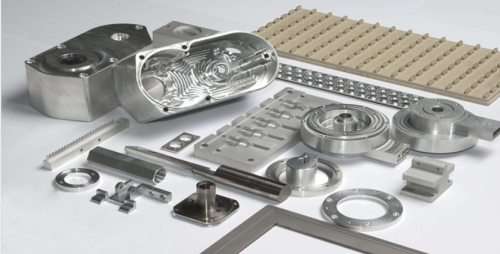
Use this route when the medical component needs tight geometry, machined metal or plastic detail, and controlled dimensions.
View CNC machining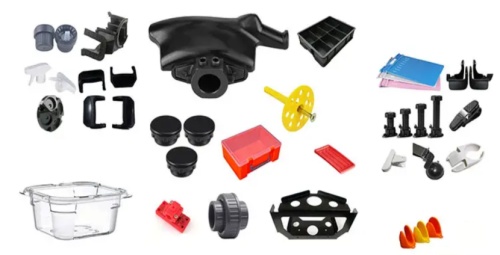
Use this route when the part should move toward repeatable plastic production, molded surfaces, and tooling review.
View injection molding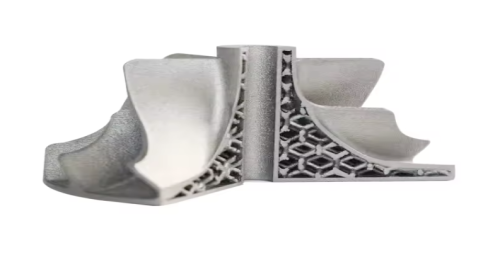
Use this route for prototype iterations, design checks, complex geometry review, and fast feedback before committing to tooling.
View 3D printingFurther Reading
The articles below support different parts of the same buyer decision: process choice, stage planning, and careful scope wording.
Clarifies how process-based component support differs from broad equipment language when buyers are planning custom medical parts.
Read the component articleHelps teams separate early geometry checks, small-batch validation, and production-volume repeatability before choosing a route.
Read the volume articleFrames medical equipment support around parts, assemblies, and manufacturing inputs rather than finished clinical equipment packages.
Read the assembly articleFAQ
It covers custom component fabrication support for medical device projects, including machined parts, molded parts, printed prototypes, sheet metal work, assemblies, and finishing needs.
Immicron lists CNC machining, injection molding, 3D printing, vacuum casting, sheet metal processing, and surface finishing as available manufacturing options.
Yes. The medical device page and related articles discuss prototype work, small-batch validation, and production volume support, with different manufacturing priorities at each stage.
Prepare drawings or models, target material, dimensions, tolerance needs, expected volume, surface finish requirements, assembly context, and the current project stage.
The page is framed around custom parts, precision assemblies, and manufacturing support for medical device projects, not turnkey clinical equipment supply.
Buyers can use the Immicron Contact Us page to send name, email, message details, and a request for more information about the project.