Sheet Metal Fabrication by Industry

Sheet Metal Fabrication by Industry

Sheet Metal Fabrication by Industry

Built for industrial, medical and automation programs, Immicron's sheet metal fabrication services bring laser cutting, CNC punching, press brake forming, welding, hardware insertion and in-house finishing together under one roof, while every custom sheet metal fabrication job runs through ISO 9001 and ISO 13485 (Medical) controls from raw material verification to final dimensional inspection.

Immicron Sheet Metal Fabrication Services – Precision Custom Sheet Metal Components For Industrial Engineering

Industry requirements and the fabrication response

Four fields per vertical: the parts usually involved, the material and finish that fit, the process and assembly work behind them, and the inspection that closes the loop.

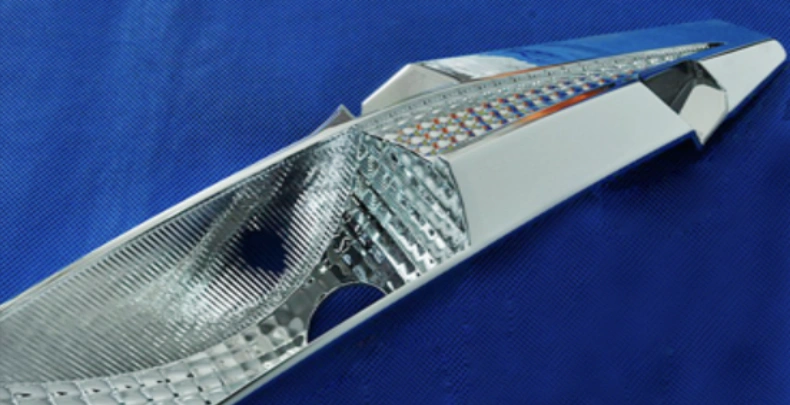
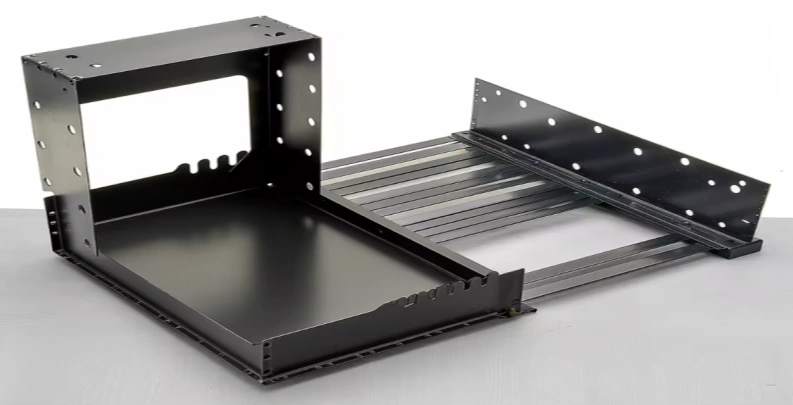
Medical equipment components

Typical parts

Enclosures, casings, housings and brackets for medical equipment programs, formed from flat sheet into seamless three-dimensional assemblies.

Default material & finish

Stainless steel 304 or 316, where hygiene and strength are the priority. Surface finishing can follow the drawing: powder coating, anodizing, zinc/nickel/chrome plating, bead blasting or brushing.

Process & assembly needs

Laser cutting and CNC punching produce the flat pattern, CNC press brakes form the bends, hems and flanges, and TIG, MIG or spot welding joins the assembly. PEM nuts, studs and standoffs plus riveting or mechanical fastening let parts arrive ready for immediate installation.

Inspection & documentation

Raw material verification through to final dimensional inspection with calipers, height gauges and angle protractors, with repeatability held across production runs.
Industrial control cabinets and automation panels

Typical parts

Cabinets, enclosures, chassis and mounting brackets for industrial control and automation equipment.

Default material & finish

Cold-rolled steel, carbon steel or aluminum 5052 / 6061 for the frame and outer panels, finished with powder coating for a durable and colourful outer layer.

Process & assembly needs

Heavy-duty industrial chassis and cabinet parts are cut, formed on CNC press brakes and welded before finishing. Hardware insertion and riveting complete the assembly so it ships ready to mount.

Inspection & documentation

ISO 9001 process controls at every stage, from raw material verification to final dimensional inspection.

Robotics and automation hardware

Typical parts

Structural frames, brackets and enclosures for automation and robotic equipment, including low-volume prototype batches.

Default material & finish

Aluminum 5052 or 6061 where lightness matters, or carbon steel for structural parts. Anodizing hardens the aluminum surface and helps prevent corrosion.

Process & assembly needs

Automated nesting on laser cutting and CNC punching maximizes material utilization, while press brake forming and welding turn flat patterns into complex 3D structures.

Inspection & documentation

Bend allowances and K-factors are calculated to match your CAD model, then parts are checked with calipers, height gauges and angle protractors.

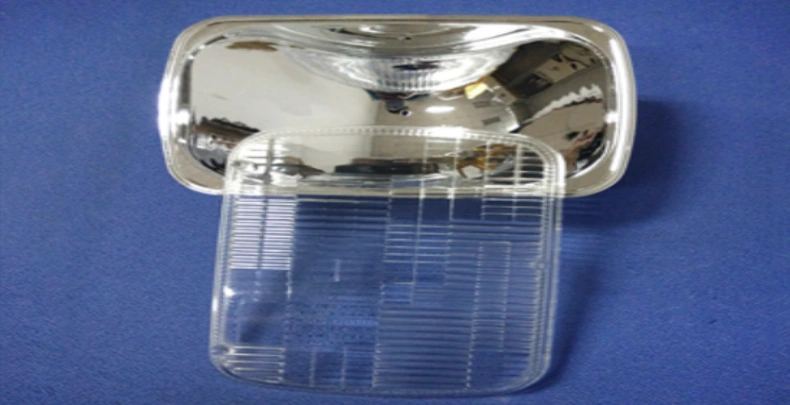
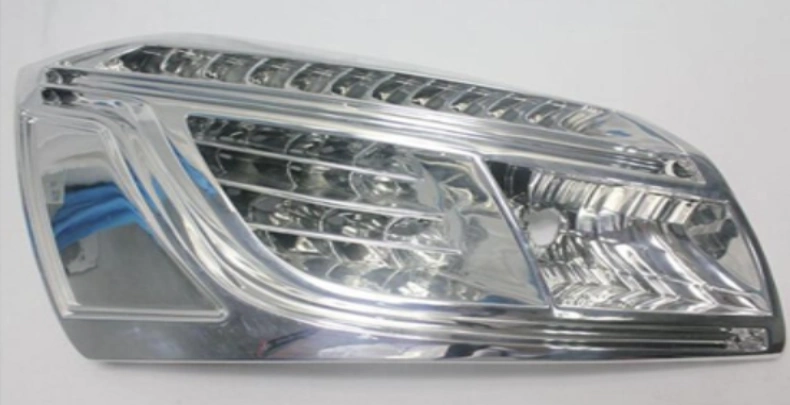
Lighting and security housings

Typical parts

Housings, seamless enclosures and mounting brackets for lighting and security equipment.

Default material & finish

Aluminum 5052 / 6061 with anodizing where the aluminum surface needs hardening and corrosion resistance, or powder coating where a durable colour matters. Zinc, nickel or chrome plating is available where a metallic finish is specified.

Process & assembly needs

Forming and welding produce seamless enclosures, and PEM nuts, studs and standoffs are installed directly into the parts so mounting hardware fits on arrival.

Inspection & documentation

Consistent repeatability across production runs, verified with calipers, height gauges and angle protractors.

Electronics chassis and lightweight enclosures

Typical parts

Lightweight electronic enclosures, chassis, casing and housing parts, from thin sheet stock through to heavier gauge chassis work.

Default material & finish

Aluminum 5052 or 6061 for lightweight, corrosion-resistant housings, finished by anodizing, plating, bead blasting or brushing.

Process & assembly needs

Tight flat patterns from laser cutting and CNC punching, press brake forming, then hardware insertion — PEM nuts, studs and standoffs — plus riveting and mechanical fastening.

Inspection & documentation

Raw material verification and final dimensional inspection, with clean cuts that need minimal secondary deburring.

Immicron Sheet Metal Fabrication Services – Precision Custom Sheet Metal Components For Industrial Engineering

Finishing options

Powder coating, anodizing, zinc, nickel and chrome plating, bead blasting and brushing — applied in-house before the final inspection.

Materials and finishes you can specify

Grades listed for this service, and where each one earns its place on a drawing.

Material Grades listed Where it earns its place
Aluminum 5052, 6061 Lightweight parts with corrosion resistance, processed without cracking or deformation.
Stainless steel 304, 316 Chosen where hygiene and strength are the deciding factors.
Carbon steel As listed for this service General structural work and welded assemblies.
Cold-rolled steel / steel As listed for this service Formed parts and welded cabinets that will be powder coated.
Copper alloys As listed for this service Available where a copper alloy is specified on the drawing.

Powder coating

A durable and colourful outer layer for cabinets, housings and enclosures.

Anodizing

Hardens the aluminum surface and helps prevent corrosion.

Plating

Zinc, nickel and chrome plating options for a metallic finish.

Bead blasting

Media blasting for a uniform, even surface.

Brushing

A brushed surface treatment applied to the finished sheet.

Numeric tolerances are not published for this service, so include the callouts that matter for your assembly with the drawing and engineering will confirm them at quoting.

Five stages, one shop, no hand-offs

Cutting, forming, welding, hardware insertion and finishing each run in sequence here, so the part moves through one set of process controls instead of four suppliers.

1

Cutting & material processing

High-precision laser cutting and CNC punching cut intricate 2D profiles, with automated nesting software maximizing material utilization and clean edges that need minimal secondary deburring.

2

Forming

CNC press brakes and hydraulic bending machines produce precise bends, hems and flanges. Technicians calculate bend allowances and K-factors so the formed part matches your CAD model, with stamping and deep drawing where geometry calls for it.

3

Welding

TIG, MIG and spot welding join aluminum, steel and stainless steel assemblies — the step that turns flat patterns into seamless enclosures, brackets and structural frames.

4

Hardware & assembly

PEM nuts, studs and standoffs are installed directly into the parts, with riveting and mechanical fastening available so components are delivered ready for immediate installation.

5

Surface finishing

Powder coating, anodizing, zinc/nickel/chrome plating, bead blasting and brushing give the finished part the durability and appearance the program requires.

Quality controls and certifications behind every run

Process controls are applied at every stage, from the material certificate through to the dimensional sign-off on the finished component.

ISO 9001

Certified quality management applied across cutting, forming, welding, assembly and finishing.

ISO 13485 (Medical)

Medical certification that supports programs where hygiene, traceability and documented process control are required.

Raw material verification

Incoming sheet is verified before it enters production, so the grade on the drawing is the grade in the part.

Final dimensional inspection

Calipers, height gauges and angle protractors check finished parts, with consistency maintained across production runs.

Match your application to a starting specification

Use this as a starting point when you brief your own engineering team, then confirm material, finish and inspection requirements against the drawing at quoting.

Application Typical part Start with Decision to confirm
Medical equipment build Enclosure, casing or bracket Stainless steel 304 / 316 Whether ISO 13485 process documentation is required for the program.
Plant-floor control cabinet Cabinet, chassis or mounting bracket Cold-rolled or carbon steel with powder coating The powder coat colour and surface expectation for the finished cabinet.
Automation prototype run Structural frame, bracket or enclosure Aluminum 5052 / 6061 The quantity band, since the process is suited to prototypes and low-volume production.
Lighting or security housing Housing, seamless enclosure or bracket Aluminum with anodizing or powder coating Which finish applies, and whether mounting hardware should be pre-installed.
Electronics chassis Lightweight enclosure or chassis Aluminum 5052 with plating or anodizing Which PEM nuts, studs or standoffs belong in the part before it ships.

Send a request that can be quoted without back-and-forth

The more of this you include up front, the faster engineering can confirm the material, finish and inspection route for your parts.

  • Drawings or CAD models for the parts in scope, at the revision you want quoted.
  • Material and grade — for example aluminum 5052 or stainless steel 316.
  • Finish requirement — powder coating, anodizing, zinc/nickel/chrome plating, bead blasting or brushing.
  • Quantity — prototype, low-volume batch or repeat production run.
  • Tolerance and inspection callouts that matter for your assembly.
  • Assembly hardware — PEM nuts, studs, standoffs, rivets or mechanical fastening.

Ready for a quote?

Share your drawing set with the fabrication team and confirm material, finish and assembly requirements for your program.

Related Reading

Three notes to help clarify product requirements before contacting the supplier.

How to Choose a Sheet Metal Fabrication Manufacturer for Industrial Enclosures

Choosing a sheet metal fabrication manufacturer for industrial enclosures starts with matching process range, drawing inputs, and quality control to the cabinet, guard, or mounting frame you need…

Read article

Rapid Sheet Metal Prototyping for Low-Volume Industrial Production

Rapid sheet metal prototyping helps industrial R&D teams turn complete CAD drawings into one-piece validation parts that can move into low-volume production with repeatable bends and process notes.

Read article

Powder Coated Sheet Metal Cabinets for Industrial Control Systems

Industrial control cabinets must match the plant environment before drawings are released, because substrate, ventilation, sealing, and surface finish determine service life and maintenance.

Read article

Frequently Asked Questions

which materials can be fabricated?

Aluminum 5052 and 6061, stainless steel 304 and 316, carbon steel, copper alloys and cold-rolled steel, processed without cracking or deformation.

what cutting and forming processes are used?

Laser cutting and CNC punching cut the flat profiles, using automated nesting software, and CNC press brakes and hydraulic bending machines form the bends, hems and flanges.

how are assemblies joined?

TIG, MIG and spot welding are used for aluminum, steel and stainless steel assemblies, with riveting and mechanical fastening where the part calls for it.

can hardware be inserted into the parts?

Yes. PEM nuts, studs and standoffs are installed directly into the parts so components arrive ready for immediate installation.

what surface finishes are offered?

Powder coating, anodizing, zinc, nickel and chrome plating, bead blasting and brushing.

which quality certifications apply?

The shop works to ISO 9001 and ISO 13485 (Medical), with raw material verification through to final dimensional inspection using calipers, height gauges and angle protractors.

We use Cookie to improve your online experience. By continuing browsing this website, we assume you agree our use of Cookie.